Short Answer
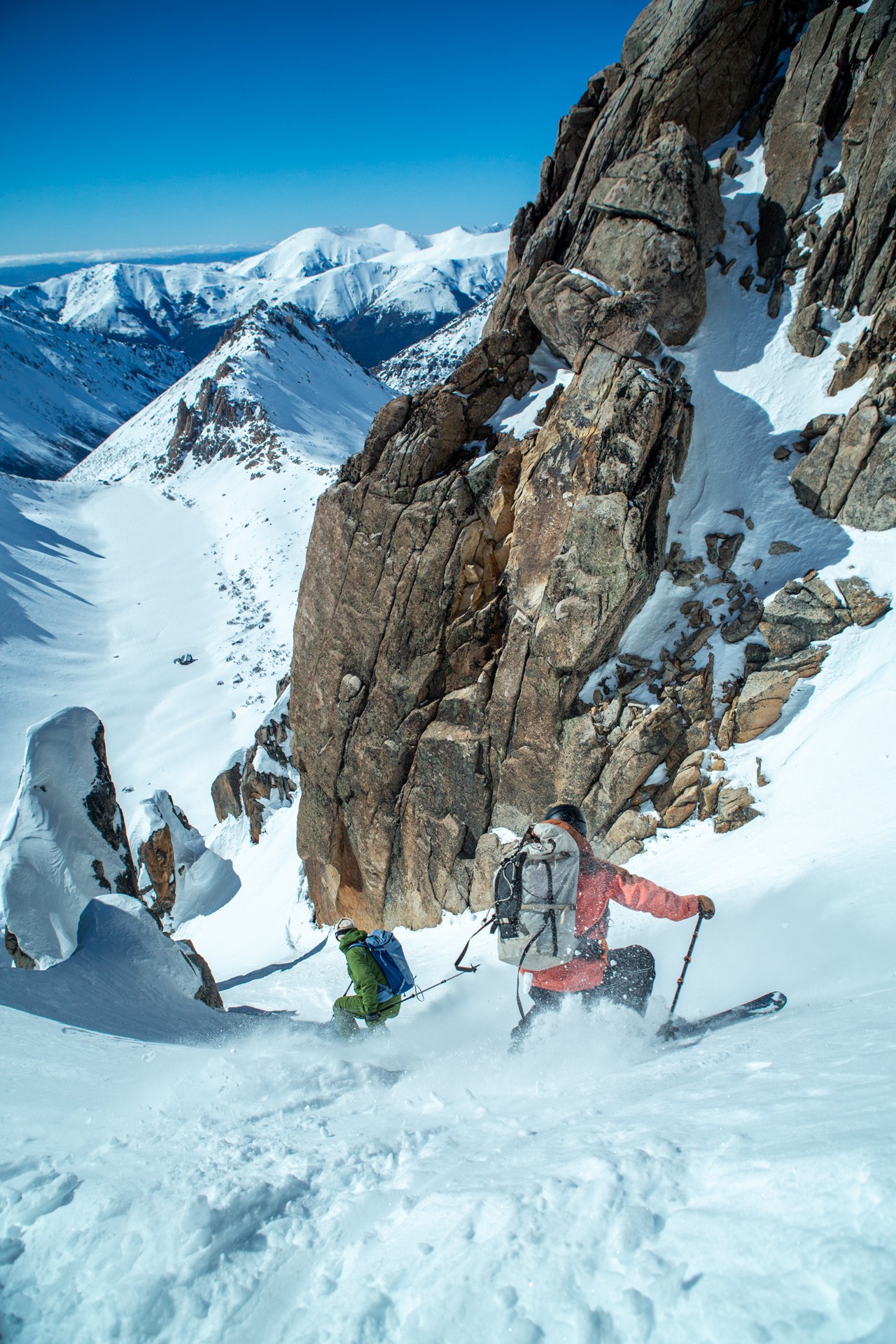
You can ski Chile and Argentina in a single 10 to 12 day trip: start in the Andes above Santiago, then take the seasonal direct flight to Bariloche in Patagonia Argentina. The season runs from July to October, the best powder is usually from mid-August to mid-September, and September is outside the high season.
We're Esnativa, a ski trip company founded by two locals: Agus Anguita, born in Chile with Tres Valles as his home mountain, and Niki Salencon, born in Bariloche and a former Freeride World Tour athlete. This is the trip we know best, because each of us lives it on our own side of the border every winter.
Part 01
Why ski both countries in one trip
Chile and Argentina share the Andes, but the central zone and Patagonia feel like two different ski worlds: different landscapes, different snow and different cultures.
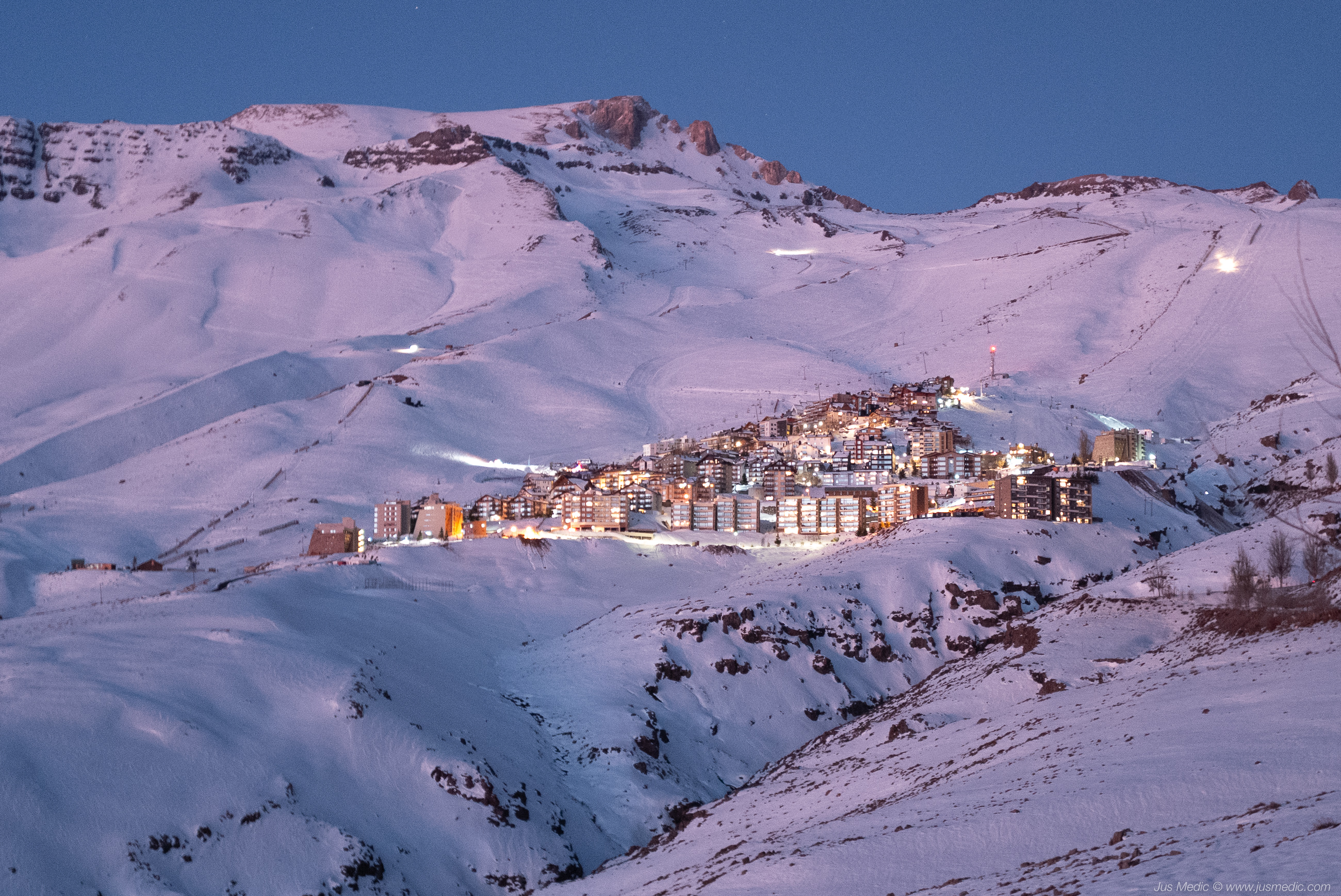
- Central Chile is high, dry and exposed. Tres Valles (Valle Nevado, La Parva and El Colorado) is the largest lift-served terrain in the region, close to a capital city, with big freeride terrain just past the ropes. Evenings are mountain villages, Chilean wine and Santiago an hour and a half away. Compare the resorts here.
- Patagonia Argentina is lakes, forests and granite. Bariloche is a real ski town on Lake Nahuel Huapi, with Cerro Catedral right above it and the Refugio Frey area for strong skiers. Evenings are late dinners, parrillas and a lively town.
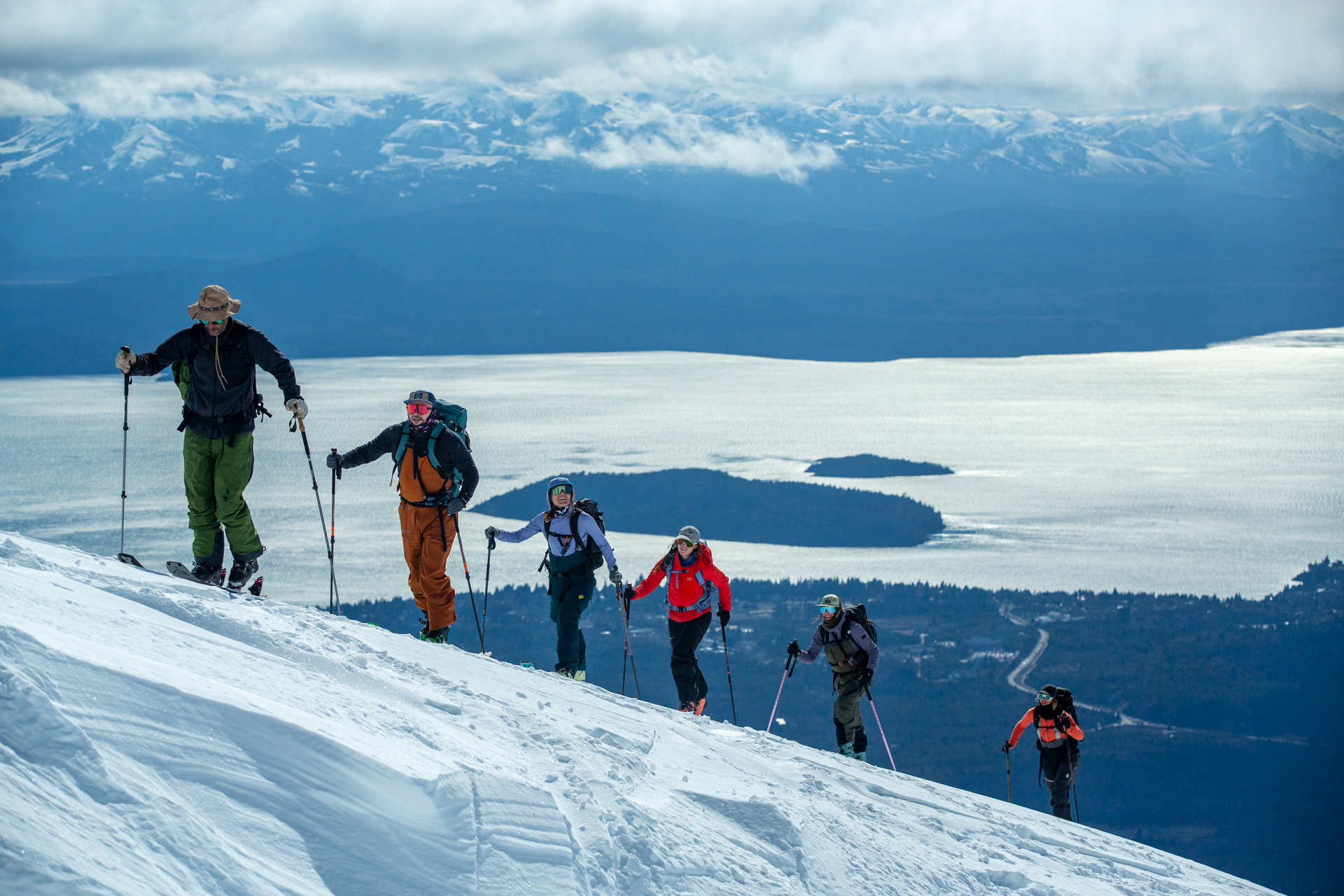
"Bariloche is my home," says Niki. "You ski Catedral, and in the evening you eat asado and walk by the lake. It's a short flight from Santiago, but a completely different trip."
Part 02
Why it helps to have a local on each side
Combining two countries means two sets of roads, flights, hotels, transfers and border rules. That's where self-planned trips usually lose time.
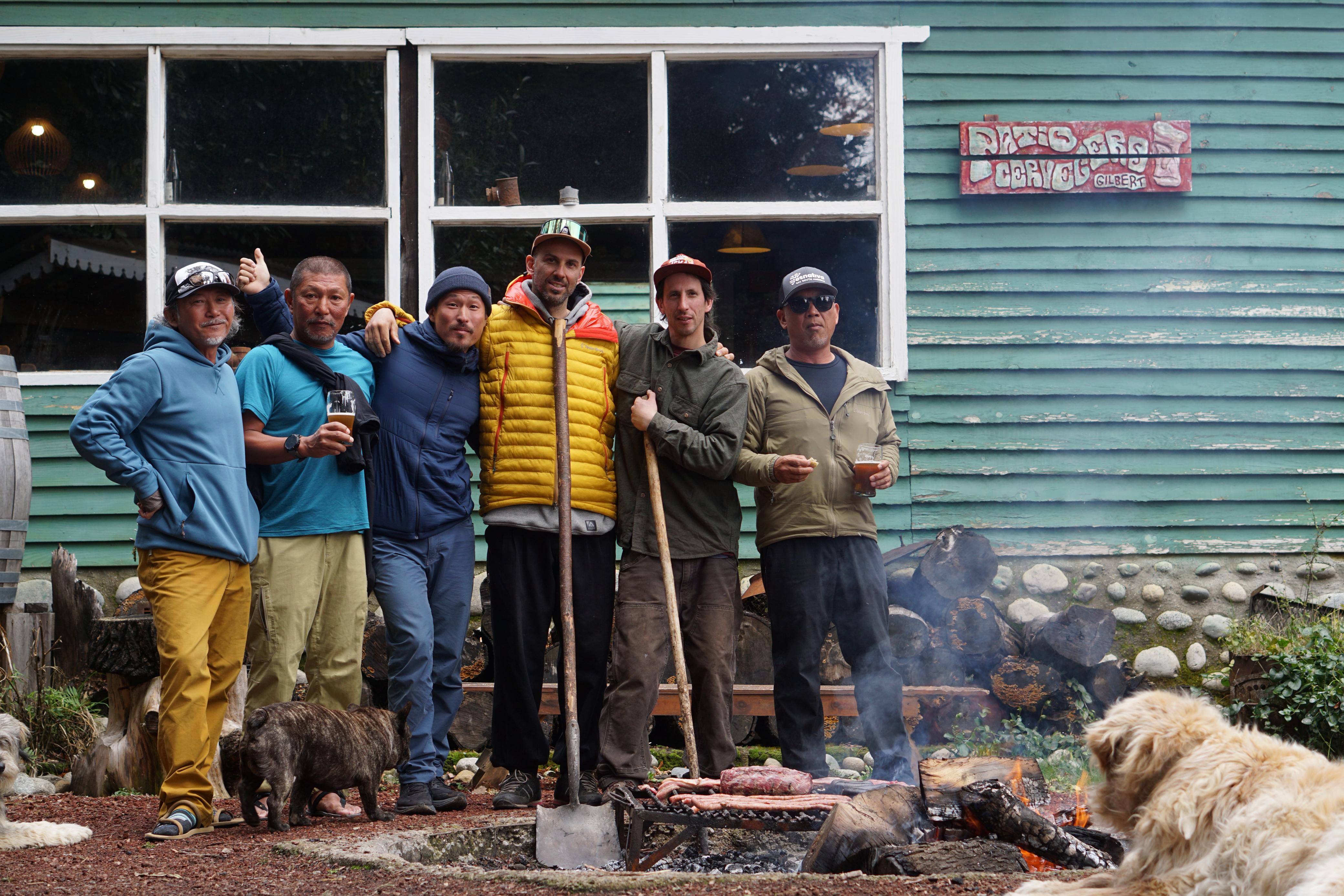
We have a local team on the ground on each side. When plans change, whether it's a storm, a road closure or a flight change, someone who lives there sorts it out the same day, and you keep skiing.
"Most people see Chile and Argentina as two separate trips," says Agus. "We see one mountain range and two cultures. Each of us is local to our side, so anything that comes up gets solved fast, and nobody loses a ski day in between."
Part 03
When to go
The southern ski season runs from July to October. For a trip that covers both countries:
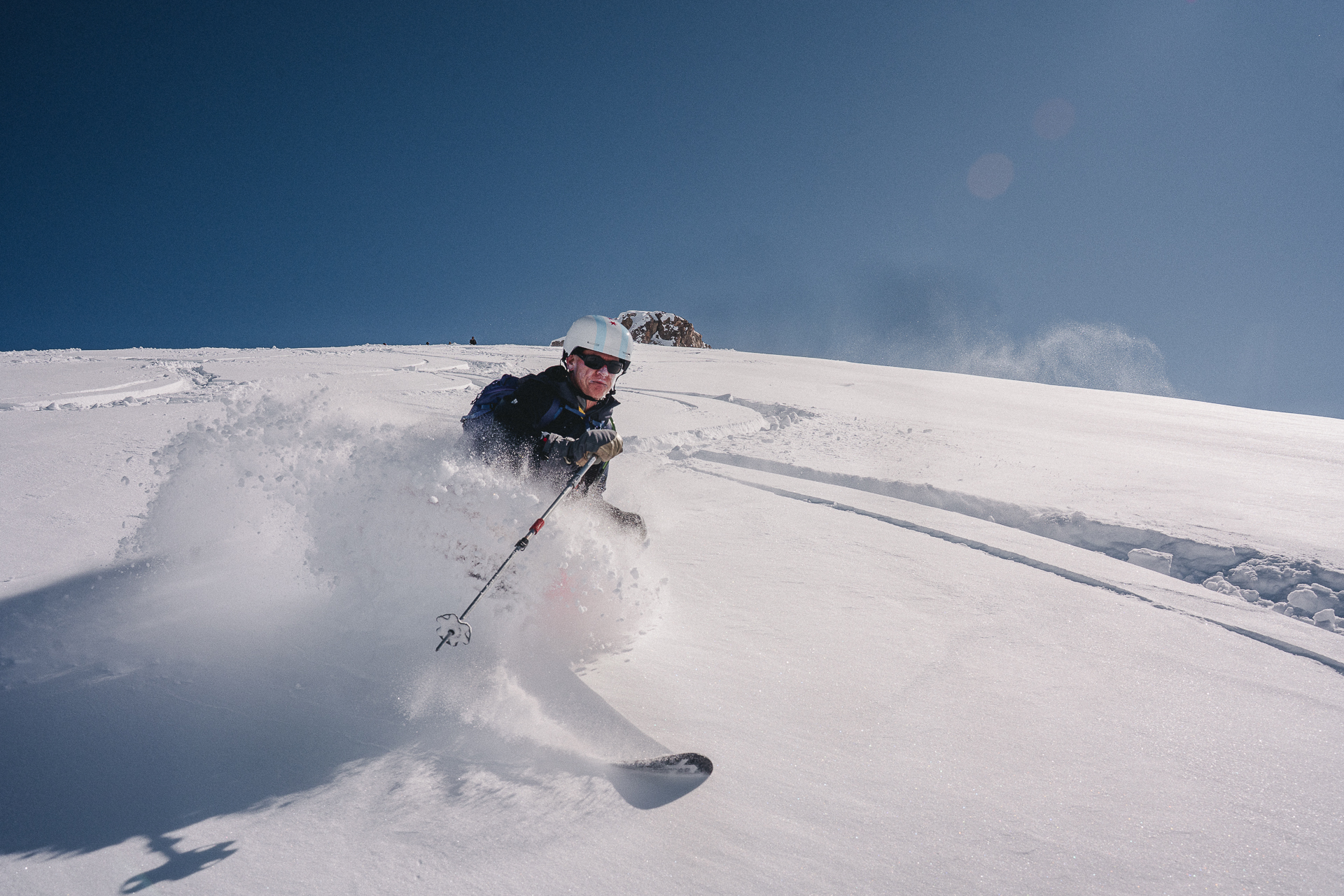
- Mid-August to mid-September is usually the best window for powder on both sides.
- September is a great month to go: snow is still good and it's outside the high season for ski trips, so there are fewer crowds and it's easier to book.
- July works, but it overlaps with winter school holidays in both Chile and Argentina, so expect crowds and higher prices.
More detail in our month-by-month guide to Chile vs Argentina.
Part 04
How long to stay
Plan 10 to 12 days on the ground. That gives you four or five ski days on each side plus the travel day between them. With fewer than eight days, you spend too much of the trip moving.
Part 05
Getting between Santiago and Bariloche
The easiest link is the seasonal direct flight from Santiago to Bariloche, about two hours. It runs only a few days a week in winter, so the flight days set the shape of the itinerary. Book it before anything else on the Argentine side.
The alternative is flying through Buenos Aires, which usually costs a full day. Overland crossings exist, but in winter mountain passes can close with snow, so we don't build trips around them. For flights from the US, see getting to ski in Chile and Argentina.
Part 06
Passes and lift tickets
- Ikon Pass: covers Valle Nevado, the only South American resort on Ikon. La Parva can be added for an extra fee.
- Bariloche: Cerro Catedral sells its own lift tickets, so budget for them separately.
If you already own an Ikon Pass for the northern winter, check how many Valle Nevado days your pass includes before you buy lift tickets.
Part 07
A sample 12-day itinerary
| Day | Where | What |
|---|---|---|
| 1 | Santiago → Tres Valles | Land in the morning, transfer up to Farellones and, if the day allows, ski the afternoon. |
| 2–5 | Tres Valles | Ski Valle Nevado, La Parva and El Colorado, choosing each day by conditions. |
| 6 | Santiago → Bariloche | Back down to Santiago and fly to Bariloche. Evening in town. |
| 7–10 | Bariloche | Ski Cerro Catedral. Strong skiers can add a day in the Refugio Frey area. |
| 11 | Bariloche → Santiago | Fly back to Santiago. |
| 12 | Santiago | Fly home. |
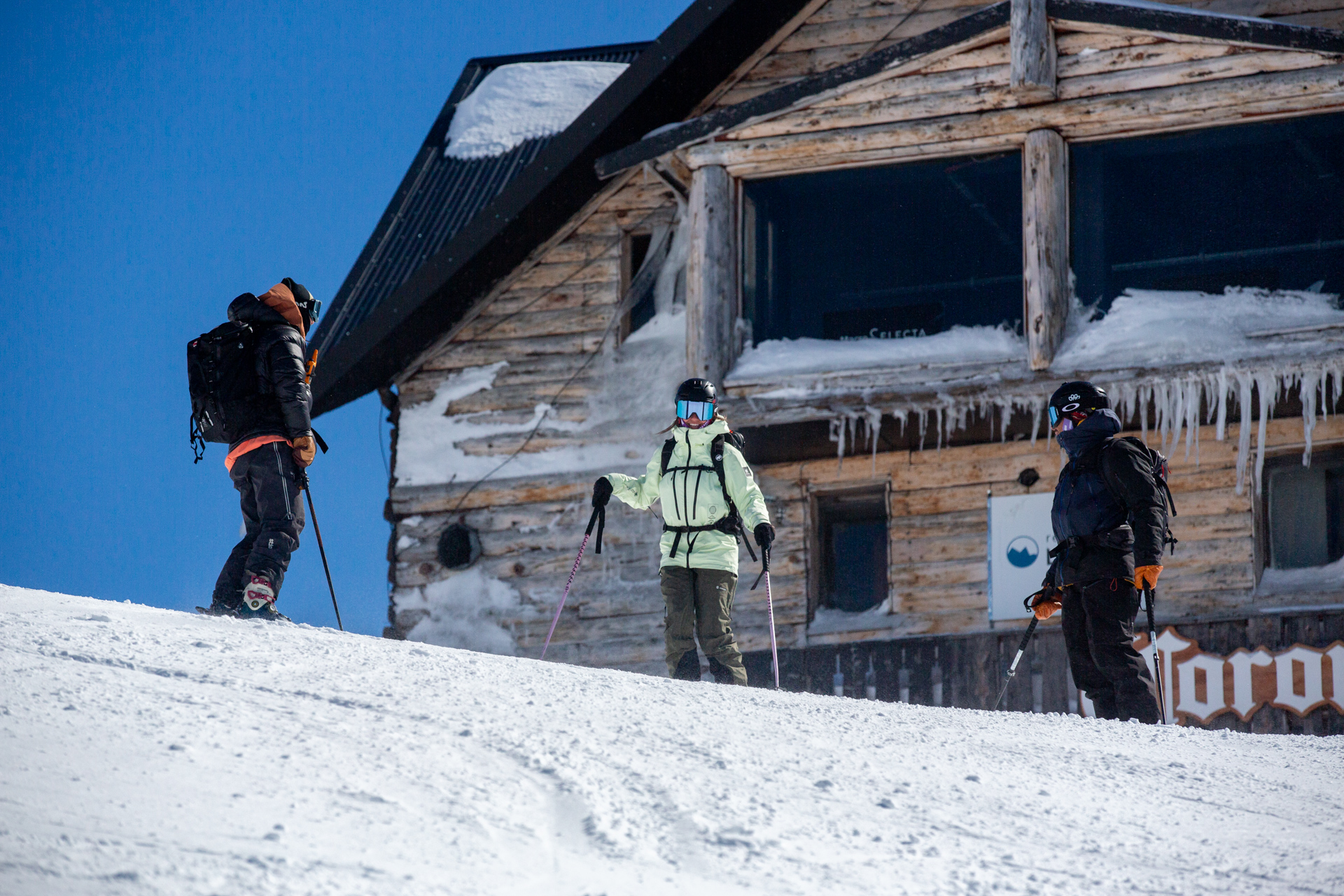
Want Portillo too? Add two nights between Santiago and Tres Valles. Every version of this trip is built to your dates: see tailor-made trips.
Part 08
Can you ski the day you land?
Often, yes. Most overnight flights from North America reach Santiago in the morning, and Tres Valles is about 90 minutes away. It depends on immigration lines, luggage and road conditions, and the resorts sit around 3,000 m, so take the first afternoon easy. Here's how a same-day arrival works.
This trip suits strong intermediate to expert skiers who want more than one resort and more than one culture in a single South American trip.
FAQ
Frequently Asked Questions
Can you ski Chile and Argentina in one trip?
When is the best time to ski both countries?
Does the Ikon Pass work in South America?
How far is Tres Valles from Santiago?
How do you get from Santiago to Bariloche?
Plan Your Trip
Ski Chile and Argentina With Locals
Tell us your dates, group and level. We'll put together hotels, transfers, the Bariloche flight and the details in between.